
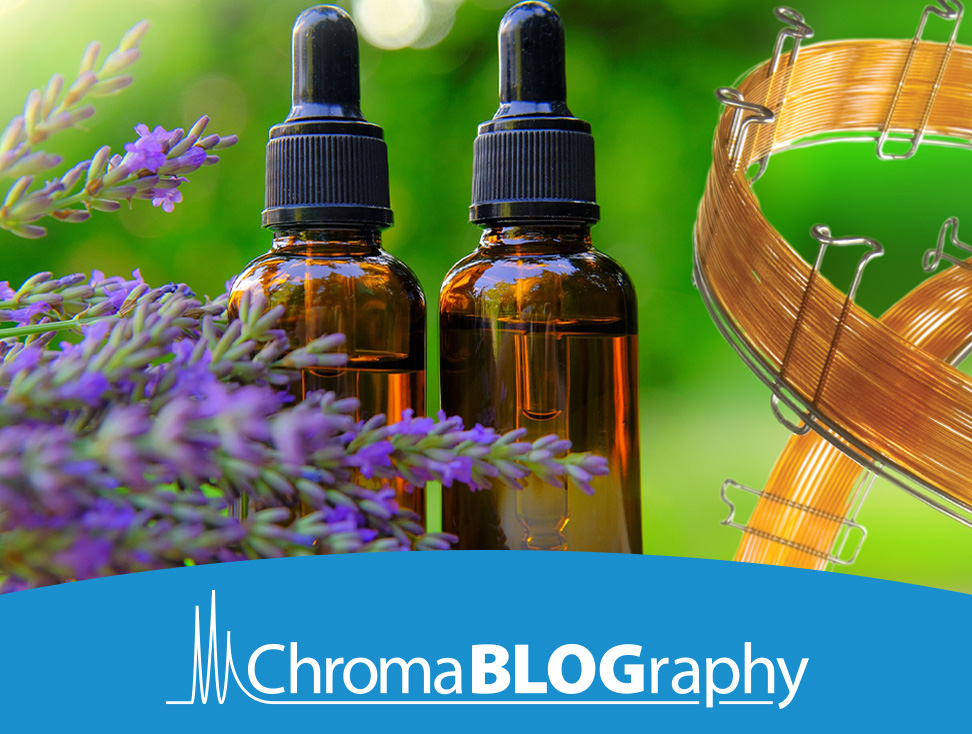
Dual Column Analysis of Essential Oils on Restek’s Rt-βDEXsm and Rt-βDEXse GC columns
Since chiral compounds found in essential oils can be difficult to resolve on the same column, dual column analysis can be used to obtain a more complete enantiomeric profile and provide confirmatory identification of individual constituents. Here, we perform a dual column analysis of lavender oil on Restek’s Rt-βDEXsm and Rt-βDEXse columns.
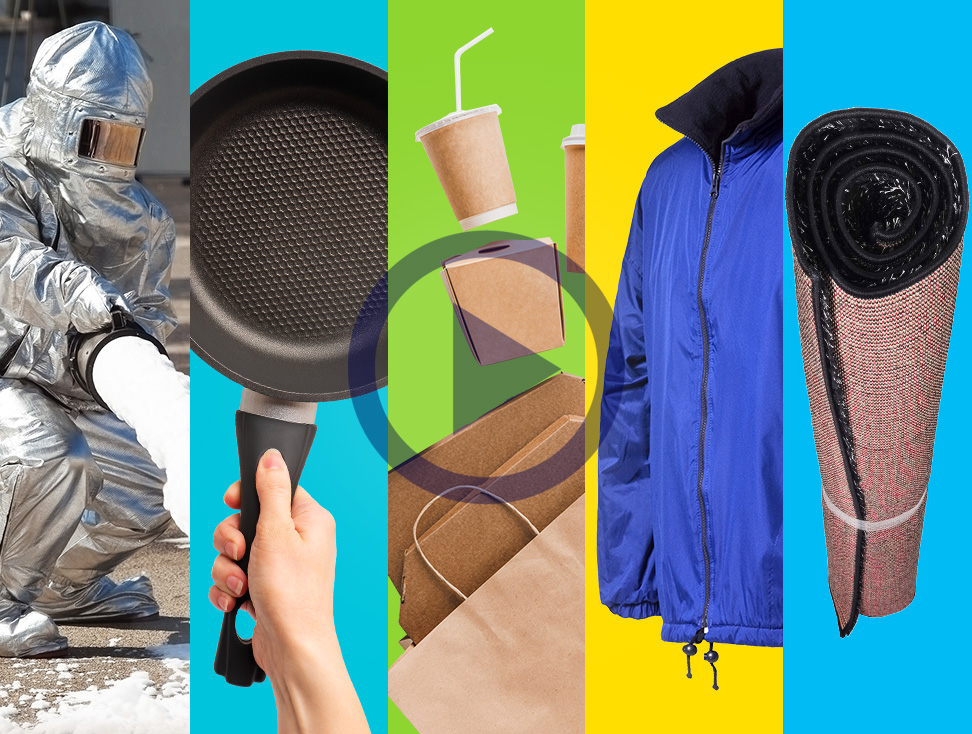
Why is a Delay Column Critical for PFAS Analysis?
PFAS are rapidly emerging as some of the most important environmental contaminants to monitor around the world. However, most LC-MS/MS instruments have PTFE components that slowly leach out and coelute with target analytes. In this video, see how using a PFAS delay column helps solve that problem.
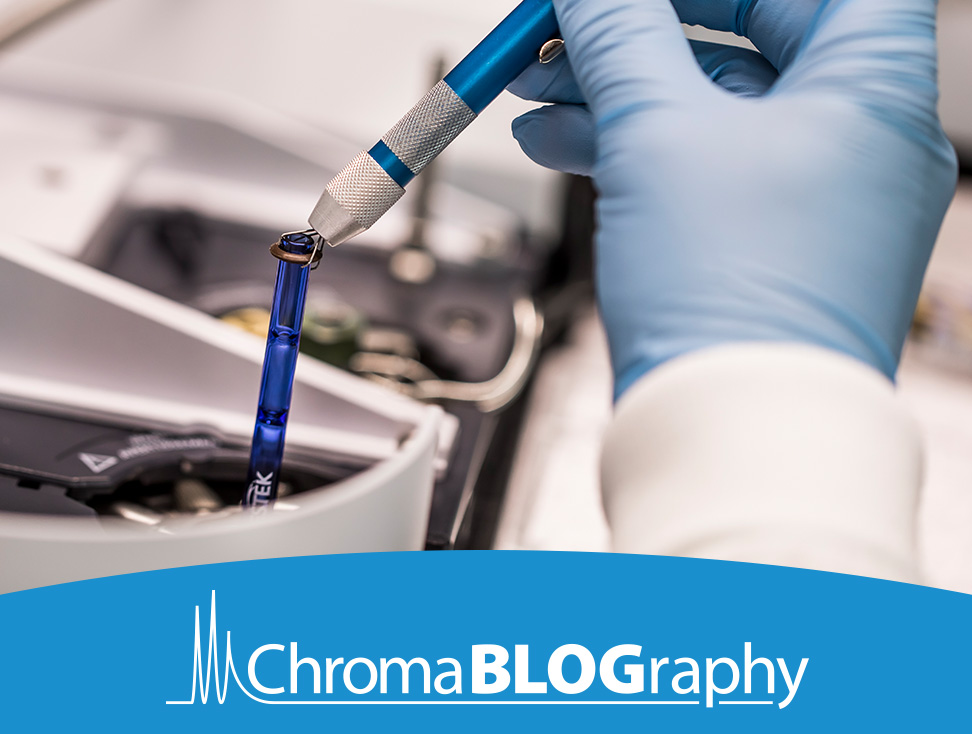
Comparing Restek’s Topaz Liners to Base Deactivated Liners
Primary amines are difficult to analyze by GC due to their susceptibility to interact with active acidic sites like silanols, which are commonly found in inlet liners. Restek offers both base deactivated liners as well as liners featuring Topaz deactivation technology. A study was conducted to compare responses of active bases between the two deactivation chemistries.
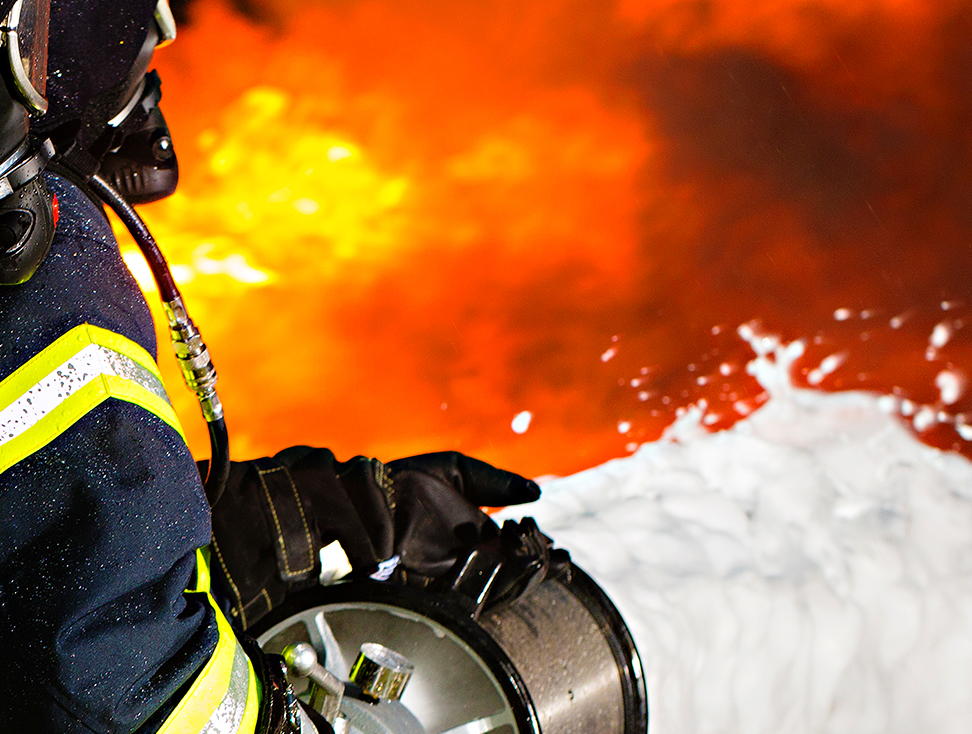
Choosing The Best LC Column for PFAS Analysis
As PFAS testing expands into shorter chain compounds, new methods are being developed. This article explores the impact of phase, dimensions, and particle types and provides options that ensure fast, accurate results for your PFAS analysis.
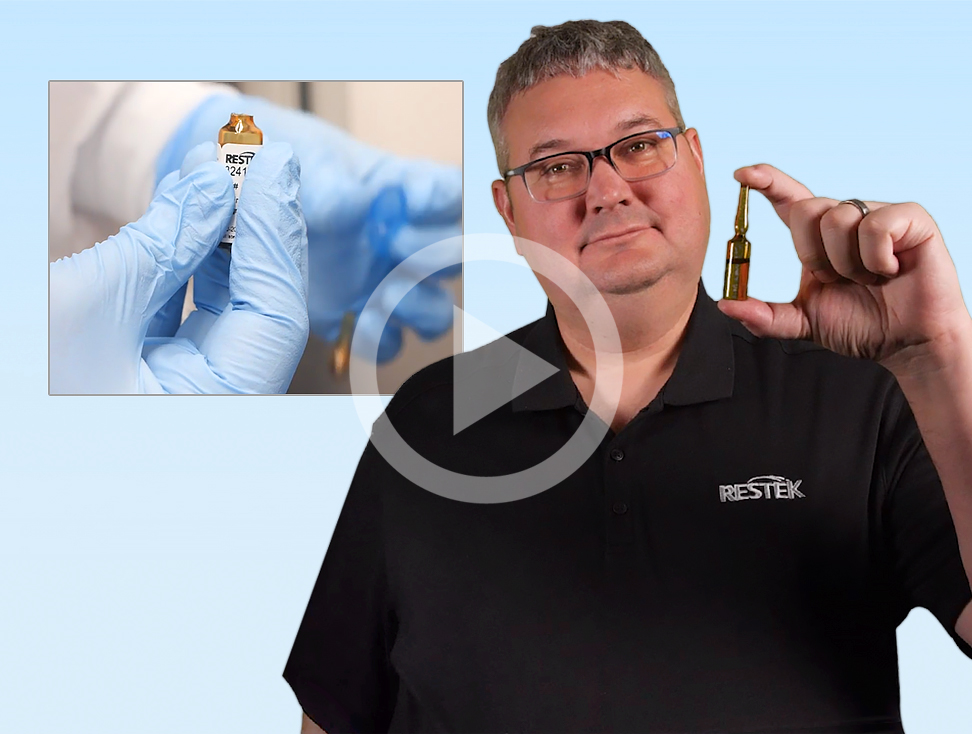
Essential Tips for Using a New Reference Standard
Reference standards must perform consistently every time you use them, but did you know temperature and volatility can affect concentration? In this Restek Tip video, we show you how to properly handle new reference standards prior to use to ensure reliable and reproducible results.

Access Restek’s Definitive Guide for PFAS Testing Methods
We’ve surveyed existing PFAS testing methods and guidelines from around the world to help labs find successful testing methods for their samples. Easily browse methods by their analyte lists, sample matrices, and sample preparation techniques in this helpful guide.